


February 9, 2026
Root canal pain doesn’t usually appear overnight. In most cases, it develops gradually as tooth decay, infection, or damage progresses beneath the surface of the tooth. Understanding how to prevent root canal problems early can help you avoid discomfort, protect your natural teeth, and reduce the likelihood of needing invasive dental treatment later.
Many people associate root canals with pain, but the reality is that root canal pain is often the result of delayed care — not the procedure itself. By recognizing early warning signs and maintaining consistent preventive habits, many root canal situations can be avoided entirely. Early intervention is the most effective way to preserve tooth health and stay comfortable.
What Causes Root Canal Pain and How to Prevent Root Canal Problems
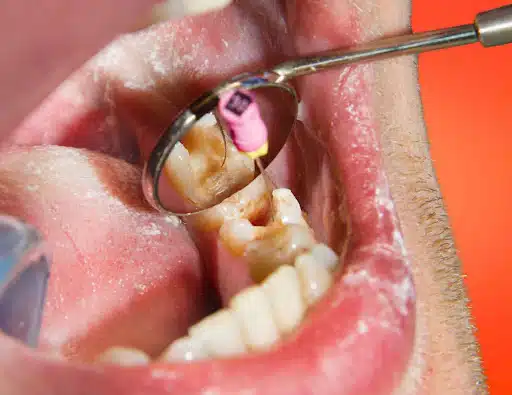
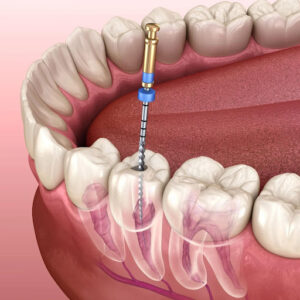
Root canal pain occurs when the pulp — the soft tissue inside the tooth containing nerves and blood vessels — becomes inflamed or infected. This inflammation increases pressure inside the tooth, leading to sensitivity and pain.Understanding the causes of root canal pain and how to prevent root canal problems early can help protect your tooth and avoid more serious dental treatment.
Common causes include:
- Untreated tooth decay that penetrates through enamel and dentin
- Cracked or fractured teeth, even hairline cracks that are not visible
- Dental trauma, such as a hit to the mouth, even without immediate pain
- Deep or aging fillings that allow bacteria to seep underneath
- Repeated dental procedures on the same tooth over time
When bacteria reach the pulp, the body responds with inflammation. Without treatment, this inflammation can worsen, increasing pain and raising the risk of infection spreading beyond the tooth.
Early Signs You Shouldn’t Ignore
Recognizing early symptoms is critical. Paying attention to early signs to prevent root canal issues allows patients to seek care before the pulp becomes severely inflamed.
Early warning signs may include:
- Sensitivity to hot or cold that lasts longer than normal
- Mild, dull tooth pain that comes and goes
- Discoloration or darkening of a tooth
- Tenderness when biting or chewing
- Swelling or tenderness in the surrounding gums
These symptoms do not automatically mean a root canal is needed. However, they do indicate that the tooth should be evaluated. Early diagnosis often allows for simpler treatments that preserve the pulp and prevent further damage.
How to Avoid Root Canal Pain with Daily Habits
Daily oral care plays a major role in preventing deep tooth problems. Consistent habits reduce bacterial buildup and strengthen enamel, which helps prevent root canal pain over time.
Step-by-Step Preventive Habits
- Brush twice daily with fluoride toothpaste
Brushing removes plaque and strengthens enamel, making it harder for decay to reach deeper layers. - Floss once a day
Dental flossing cleans between teeth where cavities form. - Limit sugary and acidic foods
Frequent sugar intake fuels bacteria that cause decay. Acidic foods weaken enamel over time. - Address sensitivity early
Using desensitizing toothpaste and seeking dental advice prevents minor sensitivity from becoming a deeper issue. - Protect teeth from physical damage
Wear a mouthguard during sports and address teeth grinding to prevent cracks. - Replace old dental work when needed
Worn fillings and crowns should be monitored and replaced before bacteria can enter underneath.
Together, these steps help maintain a healthy barrier between the mouth and the tooth’s inner pulp.
Table – Symptoms vs Preventive Action
| Symptom | Possible Cause | Recommended Dental Action | Urgency Level |
| Lingering hot/cold sensitivity | Enamel wear or early decay | Dental exam and fluoride treatment | Low |
| Intermittent toothache | Deep cavity or aging filling | X-ray and restoration | Moderate |
| Pain when biting | Crack or pulp irritation | Evaluation and imaging | Moderate |
| Gum swelling near tooth | Infection spreading toward root | Immediate dental visit | High |
| Tooth discoloration | Nerve damage | Prompt examination | High |
Responding early to symptoms significantly lowers the chance of severe infection.
Dental Care That Helps Avoid Root Canal Treatment
Routine professional care is one of the most effective ways to avoid root canal treatment and plays a key role in understanding how to prevent root canal problems before they become serious. Regular dental visits allow dentists to detect issues that may not yet cause pain.
Preventive dental care includes:
- Comprehensive exams to spot decay, cracks, or failing restorations
- Professional cleanings to remove hardened plaque and bacteria
- Early fillings or crowns to seal vulnerable areas
- Monitoring of existing dental work to prevent breakdown
These measures help prevent root canal infection by stopping bacteria before they reach the pulp. When decay or damage is addressed early, the tooth’s natural structure can often be preserved.
What to Do If You Feel Tooth Pain Starting
Tooth discomfort should never be ignored, even if it seems minor. Acting quickly can help stop root canal pain early and limit damage.
If pain begins:
- Rinse gently with warm salt water
- Avoid chewing on the affected side
- Maintain normal brushing and flossing, but be gentle
- Use over-the-counter pain relief if needed
- Schedule a dental appointment promptly
Pain that fades does not always mean the problem has resolved. Infection can continue silently beneath the surface, making professional evaluation essential.
Meet Your Marysville Dentists
At Dentistry at Marysville, preventive dentistry is a central focus of care, with a strong emphasis on educating patients on how to prevent root canal problems before they start. Dr. Joshua G. Smith and Dr. Navdeep Virk, D.M.D., prioritize early diagnosis, conservative treatment, and long-term tooth preservation.
Their patient-centered approach prioritizes comfort, clear communication, and proactive care designed to reduce the risk of complex dental procedures whenever possible.
Frequently Asked Questions
1.Can a cavity turn into a root canal quickly?
Yes. If decay reaches the pulp, inflammation can progress within months if untreated.
2.Is tooth sensitivity always a sign of infection?
No. Sensitivity may result from enamel wear, but persistent symptoms require evaluation.
3.Can a cracked tooth cause root canal pain?
Yes. Even small cracks can allow bacteria to reach the pulp.
4.How often should I see a dentist to prevent root canals?
Most patients should have exams and cleanings every six months.
5.Can root canal pain go away on its own?
Pain may temporarily subside, but the underlying issue usually remains.
6.What happens if infection is left untreated?
Infection can spread to surrounding bone and tissue, increasing treatment complexity.
7.Do fillings help prevent root canals?
Yes. Early fillings stop decay before it reaches the pulp.
8.Can trauma cause pulp damage without pain?
Yes. Trauma can damage the pulp even if symptoms appear later.
Take the Next Step Toward Pain-Free Dental Health
Root canal pain is often preventable with early care, consistent habits, and regular dental visits. Learning how to prevent root canal problems by addressing small issues early helps protect your natural teeth and maintain long-term comfort. If you’re experiencing tooth discomfort or want to stay proactive, scheduling a dental exam at Dentistry at Marysville is a simple step toward preventing future complications and keeping your smile healthy.
New Patient Specials
New patients to Dentistry Marysville are invited to take advantage of one of our first-time visitor specials.
To claim the offer, screenshot or print the coupon and show it at your initial appointment.
$149 New Patient Special Plus $100 Off Your Second Office Visit*
*New patients only. A $369 value. Cannot be combined with other offers or insurance.
10% Off Cash Discount on All Dental Services*
*Cannot be combined with other offers or insurance.
$149 New Patient Special Plus Professional Teeth Whitening for ONLY $350*
*New patients only. Cannot be combined with other offers or insurance.
$89 New Patient Special* Limited Exam & X-rays
*New Patients Only. Cannot be combined with other offers or insurance.